


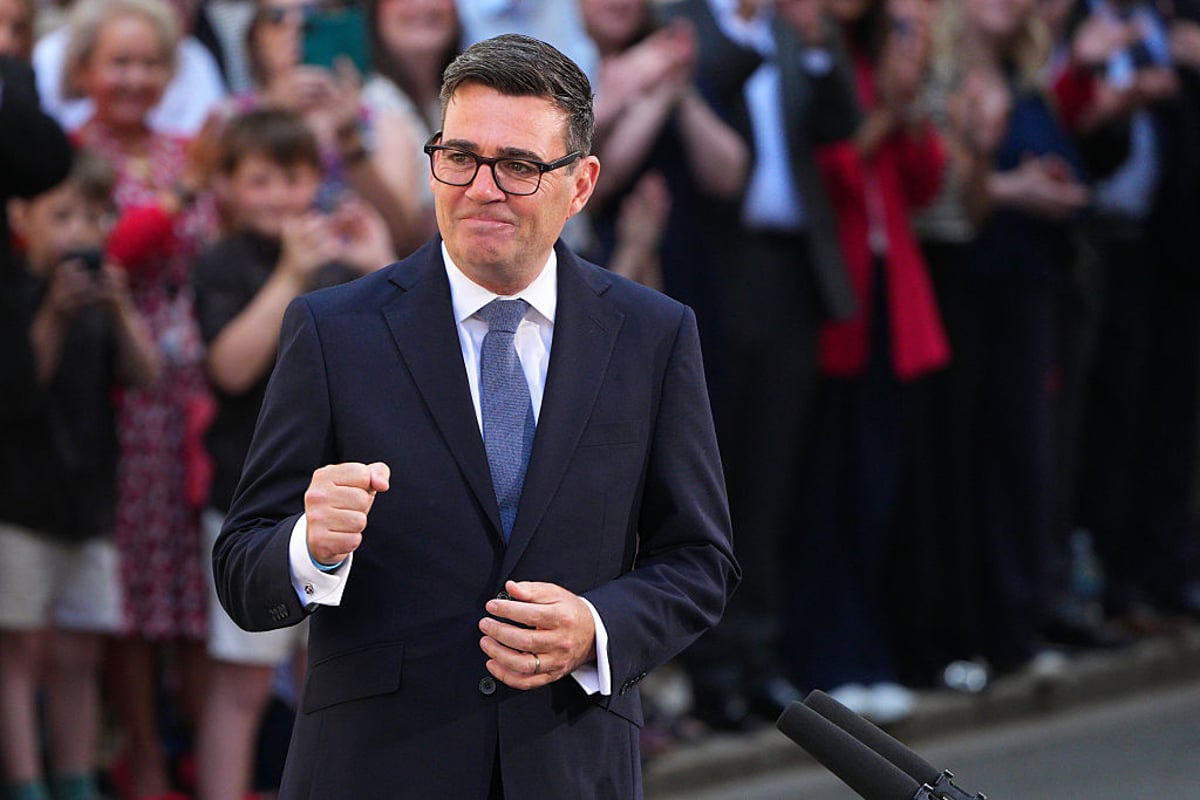
Households across Britain will see their electricity bills reduced by an average of £45 a year from October after Prime Minister Andy Burnham announced the removal of VAT on electricity.
The tax cut, unveiled on Burnham’s second day in office, forms part of the new government’s efforts to ease cost of living pressures. Ministers say the policy will be funded by scrapping the planned digital ID scheme.
In a statement, Burnham said: “I said I wanted to give people breathing space, and that’s what I’m announcing on my second day as prime minister. We’re taking immediate action to cut taxes on energy bills, put more money in people’s pockets and bring back hope.”
The government estimates the measure will cost £850 million during the 2026-27 financial year and reduce the average price-capped household electricity bill by around £45 annually.
Officials say ending the digital ID programme will save approximately £1.8 billion over the next three years, providing funding for the VAT reduction.
However, the announcement quickly prompted questions over how the policy would be financed.
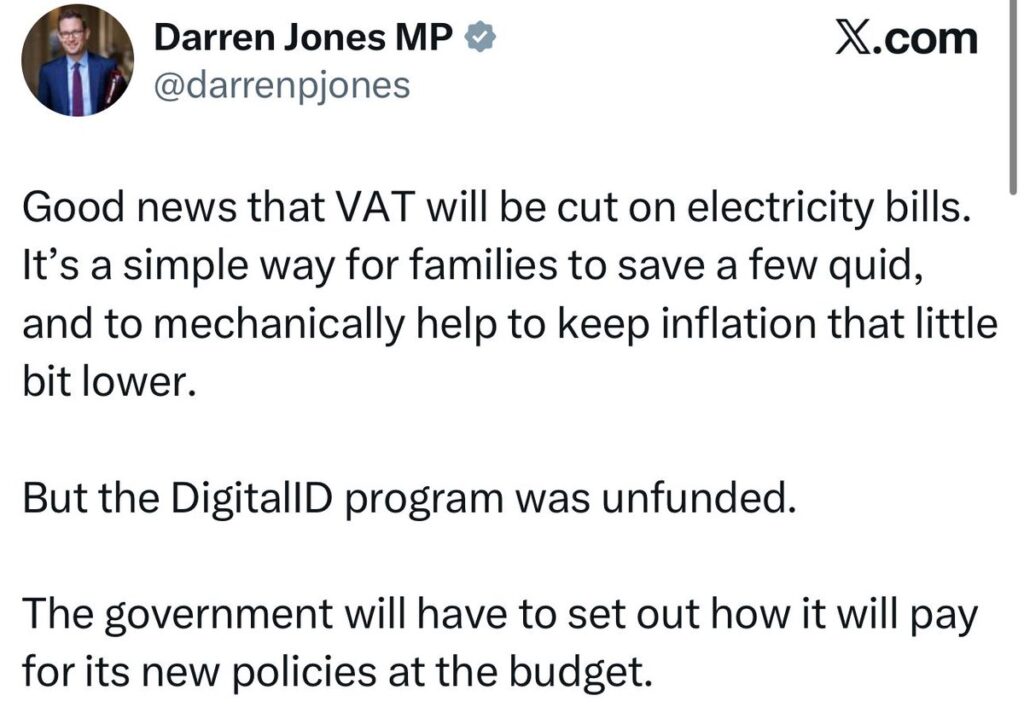
Former Chief Secretary to the Prime Minister Darren Jones, who was dismissed during Burnham’s Cabinet reshuffle, argued that the digital ID project had not been fully funded in the first place.
Writing on X, Jones welcomed the reduction in electricity bills but said the government would still need to explain how the tax cut would be paid for at the upcoming Budget.
New Chancellor John Healey defended the policy, saying: “Today’s energy tax cut will give families some breathing room on bills, and provide some reassurance this winter.”
Business Secretary Jonathan Reynolds also rejected criticism of the funding, describing the move as “a statement of priorities” and saying the government had chosen to redirect spending towards reducing household energy costs.
Burnham entered Downing Street on Monday after pledging to tackle the cost of living crisis, bring utilities back into public ownership and work towards ending rough sleeping. His appointment of Healey as Chancellor surprised many in Westminster following speculation over other potential candidates.
The Prime Minister is expected to outline further cost of living measures in the coming days. Ministers have also indicated they are considering policies including lowering the cap on bus fares and potentially introducing a temporary freeze on private rents.
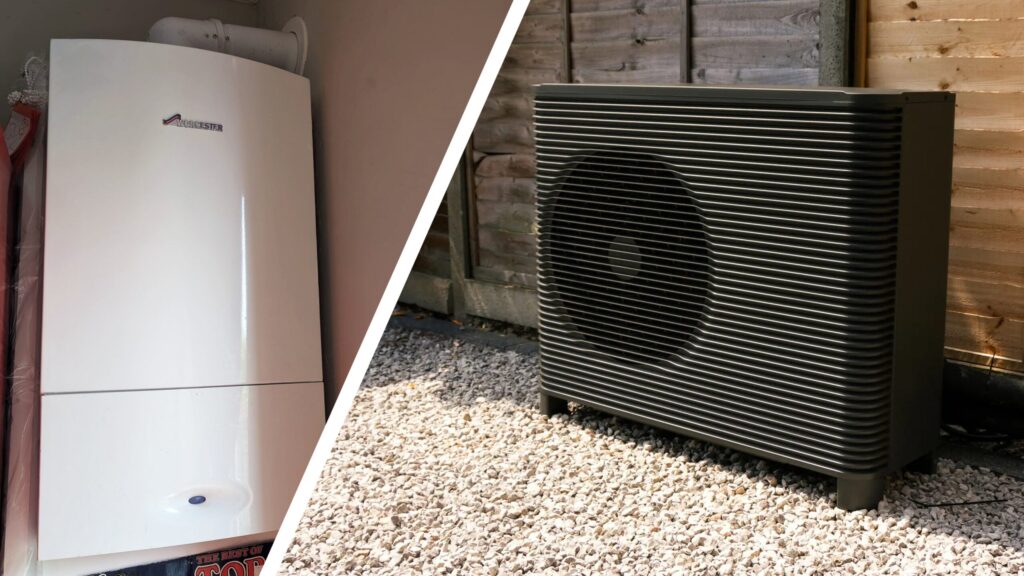
The government argues that removing VAT from electricity bills will not only reduce household costs but also encourage more homeowners to switch from gas boilers to electric heat pumps by narrowing the price gap between electricity and gas.
The policy will not apply in Northern Ireland, where VAT rules continue to be governed by commitments under EU tax arrangements. Instead, the UK government says it will provide the Northern Ireland Executive with equivalent funding to support its own cost of living measures.